
"due to climate"
6000 article(s) found

A brief introduction to the cultivation of Nicaraguan boutique coffee beans with mellow flavor, geographical location, climate and altitude
Drink coffee while it is hot, because the tannins in Nicaraguan coffee are easy to change during cooling, and the taste becomes sour, which will affect the flavor of the coffee. You can add the right amount of sugar, and then add cream. Enjoying a cup of high-quality Nicaraguan coffee can not only experience the taste of coffee at different levels, but also help to improve the ability to appreciate coffee.

Guatemala Flower God Coffee Planting Situation Location Climate Elevation Profile
Coffee was introduced to Guatemala in 1750 by Father Jesuit, and German colonists developed the coffee industry in the late 19th century. Today, most of the coffee industry is produced in the south of the country. Guatemala has seven major coffee producing areas, each producing area produced by the coffee flavor is different, but in summary, Guatemala coffee are

Geo-climatic production process of coffee in Rwanda
Malaba Coffee grows in southern Rwanda, about 12 kilometers (7 miles) from the city of Butare and 150 kilometers (93 miles) from the capital, Gejali. The plan began in the Malaba area of Butare province, but was taken over by a local government organization in 2006, which is now part of the Huye district of the southern province. Due to its proximity to the East African Rift Valley and the Neuenway Forest Mountains, this area has many topography.

Rich and mellow lemon tree manor boutique coffee bean planting geographical location climate altitude brief introduction
Nicaragua is located in central Central America, bordered by the Pacific Ocean to the west and the Caribbean Sea to the east. The highlands in the north and the coastal plains in the east are part of the Central American volcanic belt. The eastern plain is high-temperature and rainy, with a tropical maritime climate. The suitable climate provides an excellent growth environment for the cultivation of coffee. High-quality Nicaraguan coffee, grown in the north and middle of the country. Coffee is Ni.

Fragrant and mellow lemon tree manor boutique coffee bean planting geographical location climate altitude brief introduction
Nicaragua is located in central Central America, bordered by the Pacific Ocean to the west and the Caribbean Sea to the east. The highlands in the north and the coastal plains in the east are part of the Central American volcanic belt. The eastern plain is high-temperature and rainy, with a tropical maritime climate. The suitable climate provides an excellent growth environment for the cultivation of coffee. High-quality Nicaraguan coffee, grown in the north and middle of the country. Coffee is Ni.

Silky and meticulous Tianci Manor Fine Coffee Bean Planting Location Climate Elevation Profile
In many countries coffee production is severely affected for political reasons. The coffee industry in Nicaragua is no exception. The revolution of 1979 forced coffee growers to flee to Miami. A period of uncertainty ensued as the government considered whether to reallocate land (including many plantations), resulting in coffee shortages and declining yields from the early 1970s.

Hawaiian Kona Coffee Flavor Taste Estate Introduction Hawaiian Fine Coffee Bean
Excellent quality Kona coffee is suitable for the right location and climate. Coffee trees grow on volcanic slopes, and their location ensures the altitude at which coffee grows; dark volcanic ash soils provide the minerals coffee needs. This is probably due to Kona's abundance of volcanic black mud, which is moderately acidic, mineral-rich, and contains the right amount of water. and

Climate change impacts global production Coffee prices may soar
Global coffee production in major coffee producing areas, including Brazil, has been greatly reduced due to climate change, and coffee prices are likely to soar in the future, Fortune magazine said recently.

Hawaiian Kona Coffee Flavor with excellent taste introduction to boutique coffee beans in manor area
The quality of the fine Kona coffee is suitable for the right geographical location and climate. Coffee trees grow on the slopes of volcanoes, and their geographical location ensures the altitude needed for coffee to grow; the dark volcanic ash soil provides the necessary minerals for coffee. This is probably due to the fact that Kona Island is rich in volcanic black mud with moderate acidity, rich mineral content and suitable water content. Parallel

Research says wild coffee beans will become extinct in the future if global warming continues
[global Science and Technology Comprehensive report] according to a report by Singapore's Lianhe Zaobao on September 4, the Australian Climate Research Institute pointed out in a newly released research report that if global warming continues on the current trajectory, wild coffee beans could become extinct by 2080. According to reports, researchers say that due to rising temperatures and rampant pests and fungi, it is estimated that the number of farmland suitable for growing coffee trees worldwide will decrease by 2050.

Yunnan small granule coffee
Due to the unique geographical environment and climatic conditions, Yunnan coffee has formed a unique flavor of strong but not bitter, fragrant but not strong, with a little fruit flavor. World-class coffee experts evaluate it as the best coffee in the world, and its cultivation techniques. The yield per unit area is also world-class.

Development trend of the price of coffee and raw beans
Major coffee producing areas around the world, including Brazil, have significantly reduced production due to climate change, and coffee prices are likely to soar in the future, according to an article in Fortune magazine on April 30. However, the price of coffee will not rise this year, at least not significantly. But there are signs that a large number of speculators are rushing into the market

A brief introduction to the cultivation of boutique coffee beans in moderate acidity Tianqi Manor, geographical location, climate and altitude
In many countries, coffee production will be seriously affected for political reasons. Nicaraguan coffee industry is no exception. The 1979 revolution forced coffee planters to flee to Miami. A period of indecision followed, when the government considered whether to redistribute land (including many plantations), which led to a shortage of coffee and a decline in production since the early 1970s

With the climate warming, coffee is facing the double threat of the loss of arable land and the reduction of bees.
Professional baristas exchange please follow the coffee workshop (Wechat official account cafe_style) the total amount of land suitable for coffee farming is expected to decline by 73% to 88% by 2050, the lead author told carbon brief. Most importantly, bees play a key role in pollinating coffee plant species that can incidentally be as high as 18% due to climate change. This study is the first to be investigated.

The planting situation of boutique coffee beans in the moderate particle size Tianji Manor in Nicaragua, geographical location and climate
High-quality Nicaraguan coffee, grown in the north and middle of the country. Coffee is a pillar industry in Nicaragua, producing nearly 100,000 tons of coffee beans every year. Many people who have tasted Nicaraguan coffee usually think that it is no different from Salvadoran coffee or Honduran coffee. It is full-bodied, smooth and delicate, with a slightly bitter finish, like a faint taste in a wine. In

Geo-climatic production process of coffee in Rwanda
Malaba Coffee grows in southern Rwanda, about 12 kilometers (7 miles) from the city of Butare and 150 kilometers (93 miles) from the capital, Gejali. The plan began in the Malaba area of Butare province, but was taken over by a local government organization in 2006, which is now part of the Huye district of the southern province. Due to its proximity to the East African Rift Valley and the Neuenway Forest Mountains, the terrain
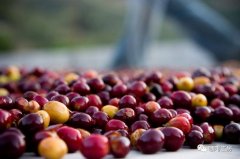
What's the difference between Yunnan coffee? What are the characteristics of small coffee?
Professional baristas Please follow the Coffee Workshop (Wechat official account cafe_style) Yunnan small grain coffee is relative to Vietnam's medium grain coffee, which is due to different varieties. The varieties grown in Yunnan are Arabica species, whose granules are smaller than those of Robusta coffee grown in Vietnam, so they are called small grains. As far as climatic conditions are concerned, the sunshine in southern Yunnan is long.
Fine coffee beans recommend Yunnan small granule coffee
Due to the unique geographical environment and climatic conditions, Yunnan coffee has formed a unique flavor of strong but not bitter, fragrant but not strong, with a little fruit flavor. World-class coffee experts evaluate it as the best coffee in the world, and its cultivation techniques. The yield per unit area is also world-class. Coffee is rich in protein, fat, sucrose, starch, caffeine and other substances.

A brief introduction to Chinese Fine Coffee beans-Yunnan small granule Coffee
Due to the unique geographical environment and climatic conditions, Yunnan coffee has formed a unique flavor of strong but not bitter, fragrant but not strong, with a little fruit flavor. World-class coffee experts evaluate it as the best coffee in the world, and its cultivation techniques. The yield per unit area is also world-class. Coffee is rich in protein, fat, sucrose, starch, caffeine and other substances.
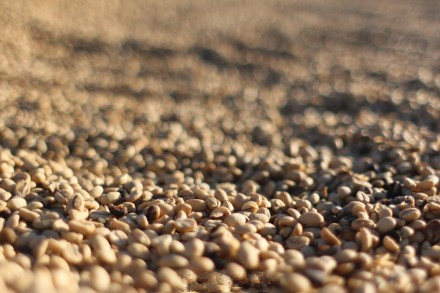
World Coffee Information Latin American caffeine climate warming is facing decline
Organic coffee in Latin America is under threat due to the spread of rust leaf disease at higher altitudes due to global warming, Taiwan's United News Network reported recently. For nearly six years, a fungus commonly known as "coffee rust" has killed a large number of coffee trees in Central America, so many that scientists believe that coffee harvests in the region could be reduced by as much as 40%. The culprit is what scientists say